
Struggling to Conceive? IUI Treatment Could Be the Solution You’ve Been Looking For For many couples, the journey to parenthood doesn’t always happen as quickly as expected. If you’ve been trying to conceive without success, Intrauterine Insemination (IUI) may offer a simple, affordable, and effective fertility treatment to help you achieve your dream of having a baby. At Fertilcity, we have helped many individuals and couples take their first successful step toward parenthood through expert-led IUI treatment and personalized fertility care. Talk to a Fertility Doctor What Is IUI? Intrauterine Insemination (IUI) is a fertility treatment that increases the chances of pregnancy by placing specially prepared sperm directly into the uterus during ovulation. By bringing the sperm closer to the egg, IUI improves the likelihood of fertilization while avoiding many of the barriers that can prevent natural conception. IUI is one of the least invasive and most affordable fertility treatments available today. Who Is IUI Suitable For? IUI may be recommended for: During your consultation, our fertility specialists will assess your medical history and fertility health to determine if IUI is the right treatment for you. How Does the IUI Process Work? Step 1: Fertility Assessment We begin with comprehensive fertility testing to understand the cause of conception challenges and develop a personalized treatment plan. Step 2: Ovulation Monitoring Your fertility specialist tracks your ovulation cycle to identify the best time for insemination. Step 3: Sperm Preparation A semen sample is collected and processed in our advanced laboratory to select the healthiest and most active sperm. Step 4: Insemination The prepared sperm is gently placed into the uterus using a thin catheter. The procedure is quick, virtually painless, and typically takes only a few minutes. Step 5: Pregnancy Testing About two weeks after the procedure, a pregnancy test is performed to determine if conception has occurred. How much does IUI cost in Naira? IUI in Nigeria typically costs N1,050,000 – N3,000,000. The total price fluctuates depending on the clinic, the city and other medications Why Many Couples Choose IUI First More Affordable Than IVF IUI is often significantly less expensive than IVF, making it an excellent first-line fertility treatment. Minimally Invasive The procedure is simple, safe, and requires little to no downtime. Natural Fertilization Fertilization occurs naturally inside the body, making IUI a preferred option for many couples. Faster Treatment Journey Compared to more advanced fertility treatments, IUI can often be started sooner and completed within a shorter timeframe. What Are the Chances of Success? IUI success rates depend on several factors, including age, sperm quality, ovulation health, and the underlying cause of infertility. Women under 35 generally experience higher success rates, while individualized treatment plans can help improve outcomes across different age groups. At Fertilcity, we maximize your chances of success through accurate fertility diagnosis, expert ovulation tracking, and advanced laboratory procedures. Why Choose Fertilcity for IUI Treatment in Nigeria? Choosing the right fertility clinic can make all the difference in your fertility journey. At Fertilcity, we combine medical expertise, cutting-edge fertility technology, and compassionate care to help you move closer to your dream of becoming a parent. What Sets Fertilcity Apart? We understand the emotional challenges that come with trying to conceive, and we’re committed to supporting you every step of the way. Your Journey to Parenthood Starts Here If you’ve been trying to get pregnant without success, don’t lose hope. IUI has helped countless couples achieve successful pregnancies and could be the fertility solution you’ve been searching for. Book a consultation with Fertilcity today and take the first step toward growing your family. Because every family begins with hope and we’re here to help make yours a reality.

The Importance of a Healthy Lifestyle for Fertility
Adopting healthy habits not only improves your overall wellbeing but also enhances your chances of conceiving. From maintaining a balanced diet to incorporating regular exercise and effective stress management techniques, every small change contributes to better reproductive health. Lifestyle and environmental factors are also involved with infertility in both males and females Research consistently shows that lifestyle factors—what you eat, how well you sleep, where you live, and other behaviors—have profound effects on health and disease. Fertility is no exception. A number of lifestyle factors affect fertility in women, in men, or in both. These include but are not limited to nutrition, weight, and exercise; physical and psychological stress; environmental and occupational exposures; substance and drug use and abuse; and medications. For example, research shows that: . Obesity is linked to lower sperm count and quality in men. . Among women with obesity who have polycystic ovary syndrome (PCOS), losing 5% of body weight greatly improves the likelihood of ovulation and pregnancy. . Being underweight is linked to ovarian dysfunction and infertility in women. . Strenuous physical labor and taking multiple medications are known to reduce sperm count in males . Excessive exercise is known to affect ovulation and fertility in women. Research shows that using body-building medications or androgens can affect sperm formation. . Substance use, including smoking tobacco, using other tobacco products, marijuana use, heavy drinking, and using illegal drugs such as heroin and cocaine reduce fertility in both men and women. . Having high blood pressure changes the shape of sperm, thereby reducing fertility. . The type of underwear a man chooses is not related to his infertility. . Radiation therapy and chemotherapy can cause infertility in females and males. Those who have to undergo these types of treatments may want to consider fertility preservation. NICHD research also shows that exposure to persistent organic pollutants and endocrine- disrupting chemicals (EDCs) in the environment can also affect male and female fertility. A healthy lifestyle significantly impacts fertility, as factors like nutrition, weight, exercise, stress management, and avoiding harmful substances can improve both female and male reproductive health, increasing chances of conception and a healthy pregnancy. A breakdown tip on a healthy lifestyle that can improve fertility: DIET AND NUTRITION: . Balanced Diet: Eating a variety of nutritious foods, including fruits, vegetables, whole grains, and lean proteins, provides essential nutrients crucial for reproductive health. . Healthy Fats: Incorporating healthy fats, like omega-3 fatty acids, is important for overall health and potentially boosts fertility. . Folic Acid: Adequate intake of folic acid (vitamin B9) is especially important for women, as it helps prevent neural tube defects in the developing fetus and may also contribute to conception. . Limit Unhealthy Foods: Reducing consumption of processed foods, sugary drinks, and saturated fats is recommended. . Maintain a Healthy Weight: Being overweight or underweight can disrupt hormone balance and ovulation, negatively affecting fertility. EXERCISE AND PHYSICAL ACTIVITY: . Moderate Exercise: Engaging in regular, moderate exercise, like walking, swimming, or yoga, can help regulate hormones, improve cardiovascular health, and promote overall well-being, which benefits fertility. . Avoid Overexertion: Excessive or strenuous exercise can negatively impact ovulation and fertility, so moderation is key. . Don’t exercise too hard or too long: For people at a healthy weight, too much hard exercise can affect ovulating and lower levels of the hormone progesterone. If you want to become pregnant soon, think about limiting hard exercise, such as running or fast cycling, to less than five hours a week and less than 60 minutes a day. STRESS MANAGEMENT: . Manage Stress: Prolonged stress can disrupt hormone levels and negatively affect fertility. Practicing stress-reducing techniques like meditation, yoga, or spending time in nature can be beneficial. SUBSTANCE AVOIDANCE: . Limit Alcohol: Excessive alcohol consumption can reduce fertility in both men and women. Heavy drinking is linked with an higher risk of problems ovulating. To help when you’re trying to get pregnant, stop drinking alcohol. Not drinking is the best choice when you conceive and during pregnancy. . Avoid Tobacco: Smoking is detrimental to fertility and overall health. Quitting smoking is highly recommended. Tobacco use is linked with lower fertility. Smoking ages the ovaries, which uses up the egg supply too early. If you smoke, ask your healthcare professional to help you quit. . Avoid Recreational Drugs: The use of recreational drugs can negatively impact fertility. . Limit Caffeine Intake: Moderation is key as excessive caffeine intake can negatively impact fertility. Drinking less than 200 milligrams a day of caffeine doesn’t seem to affect being able to conceive. This amount is one or two 6-ounce to 8-ounce cups of coffee a day Incase of emergency or medical counselling, reach our fertility specialist
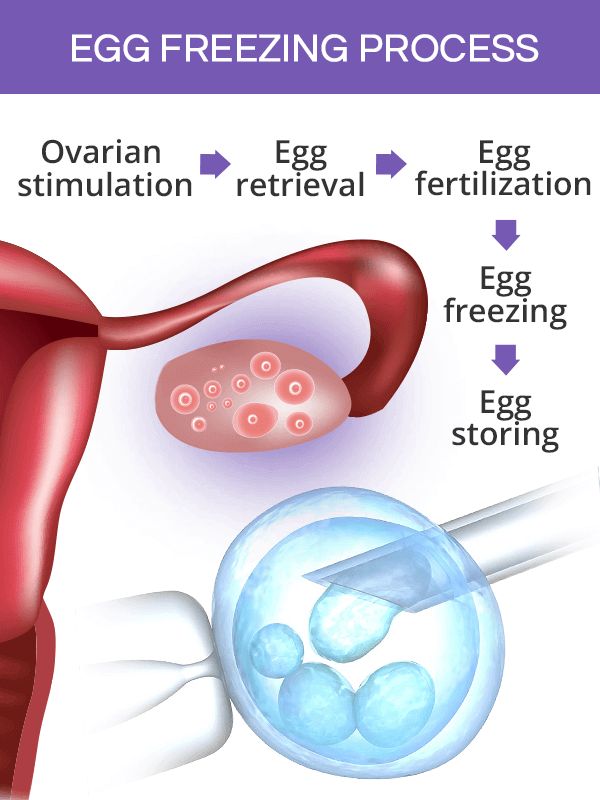
Cost of Egg Freezing in Lagos: What You Need to Know
In recent years, egg freezing in Lagos has become an increasingly popular option for individuals who want to preserve their fertility. Whether you ’ re considering it for medical reasons, career planning, or personal choice, understanding the cost of egg freezing in Lagos is essential. This guide breaks down the expenses involved and what to expect when choosing fertility preservation in Lagos. Do you want to freeze your eggs or get information on how to do it? call/chat Dr Sharon What Is Egg Freezing? Egg freezing (oocyte cryopreservation) is a medical procedure where a woman’s eggs are retrieved, frozen, and stored for future use. It offers a solution for individuals who want to delay child bearing while maintaining their chances of having a biological child later. The process involves: • Ovarian stimulation (to produce multiple eggs) • Egg retrieval (a minor surgical procedure) • Vitrification (freezing the eggs) • Long-term storage How Much Does Egg Freezing Cost in Lagos? The cost of freezing eggs in Nigeria varies based on the clinic, the number of cycles needed, and additional services. Long term storage: ₦3,500,000 – ₦5,000,000. You can pay by instalments. Eggs are frozen using advanced cryopreservation techniques to maintain their quality. Please note that prices can change due to economic instability. We have a structured payment plan call/chat Dr Sharon to get started Factors That Influence Egg Freezing Costs in Lagos 1. Number of Cycles: Some patients may need multiple cycles to freeze enough eggs, increasing the total cost. 2. Age: Younger patients (under 35) typically require fewer cycles due to better egg quality and quantity. 3. Clinic Reputation: Established clinics with advanced technology often charge higher fees. 4. Medication Needs: Costs vary depending on how your body responds to stimulation. 5. Storage Duration: The longer your eggs are stored, the more you’ll pay annually. Why Are More People Freezing Their Eggs in Nigeria? The demand for fertility preservation in Lagos is rising due to: • Career & Education: Women are choosing to delay motherhood while pursuing career goals. • Medical Reasons: Patients undergoing treatments like chemotherapy freeze eggs to protect future fertility. • Delayed Relationships: Some individuals freeze eggs while waiting to find the right partner. Egg Freezing Success Rates by Age The success of egg freezing depends largely on your age when the eggs are frozen, not your age when you use them later. In general, younger eggs have a higher chance of resulting in a healthy pregnancy and live birth. Age at Freezing Estimated Success Rate Under 35 70–80% chance of at least one live birth with 10–15 frozen eggs 35–37 40–50% chance per treatment cycle; often 15–20 eggs recommended 38–40 20–30% chance; multiple cycles may be needed Over 40 Below 20%; success declines significantly with age Success rates vary based on egg quality, the number of eggs frozen, overall health, and the fertility clinic’s expertise. Best Age to Freeze Eggs How Many Eggs Should You Freeze? For a reasonable chance of one future live birth: Is Egg Freezing in Lagos Worth the Investment? While the cost of egg freezing in Lagos is substantial, it offers long-term peace of mind for those wanting to preserve their fertility. Egg freezing is a proactive solution, especially for those facing age-related fertility decline or medical conditions. As egg quality naturally declines with age, early fertility preservation can significantly improve your future chances of pregnancy and parenthood. You can contact fertility specialist. Check our instagram
UNDERSTANDING HORMONAL IMBALANCES & FEMALE INFERTILITY
Infertility affects millions of women worldwide, and one of the most common underlying causes is hormonal imbalance. Hormonal imbalances are one of the most common – and treatable – causes of female infertility At Fertil City Clinic, we see firsthand how addressing hormone-related issues can make a significant difference in a woman’s fertility journey and we specialize in identifying and managing these imbalances to help women restore natural reproductive function and achieve successful pregnancies. What Are Hormonal Imbalances? Hormones are chemical messengers that regulate nearly every process in the body — especially when it comes to reproduction. In women, certain hormones must rise and fall at precise times to trigger ovulation, support fertilization, and maintain pregnancy. Hormones play a vital role in regulating the menstrual cycle, ovulation, and preparation for pregnancy. When these hormones are out of balance, even slightly, it can lead to: Even small hormonal shifts can have a big impact. Signs You May Have a Hormonal Imbalance Many women are unaware that their symptoms may be related to hormonal health. Some common signs include: Common Conditions We Treat At Fertil City Clinic, our expert team diagnoses and treats hormonal disorders including: These conditions can often go unnoticed until fertility becomes a concern — which is why early evaluation is key. Comprehensive Hormonal Evaluation When you visit Fertil City Clinic, we use advanced diagnostic tools to assess your reproductive hormone profile and we’ll perform a thorough hormonal workup, which may include: Our approach is personalized — each treatment plan is tailored to your unique hormonal profile and fertility goals. Treatment Options for Hormonal Imbalance Our treatments focus on restoring hormonal balance and enhancing fertility potential: Visit our clinic or contact a specialist for medical counselling
Understanding IVF: A Step-by-Step Guide for Lagos Couples
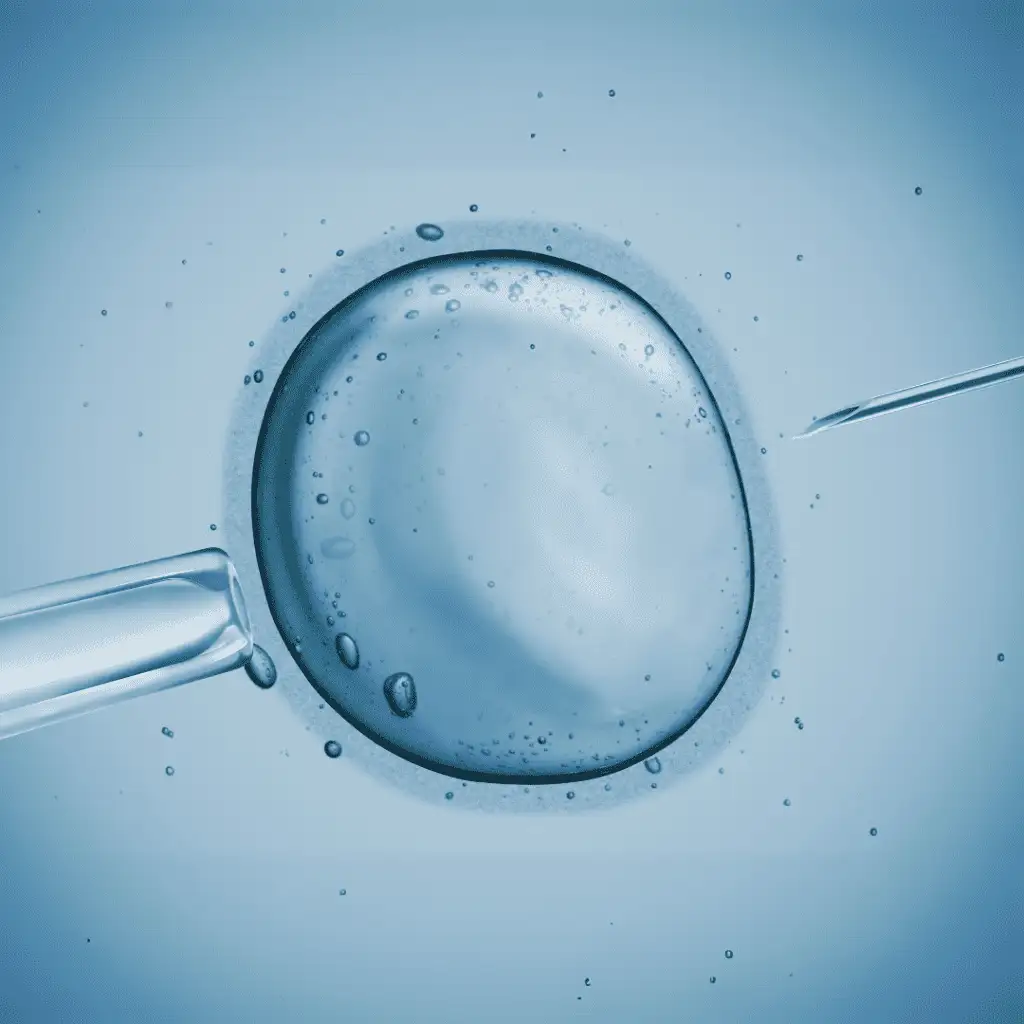
At Fertil City Fertility Clinic, we understand that the journey to parenthood is unique for every couple. If you have been trying to conceive without success, you are not alone. Many couples in Lagos face fertility challenges, but thanks to medical advancements, IVF (In Vitro Fertilization) offers hope. IVF is a widely used assisted reproductive technology (ART) that has helped countless couples achieve their dream of becoming parents. But what exactly does the IVF process involve? If you’re considering IVF in Lagos, this guide will walk you through every step so you can make informed decisions with confidence. How to Begin your IVF Journey Your IVF journey begins with an initial consultation at Fertil City Fertility Clinic, where our specialists will assess your medical history, previous conception attempts, and overall fertility health. This involves a series of tests, including blood work, ultrasound scans, and semen analysis for the male partner. With these results, we design a personalized treatment plan tailored to your specific needs. Once the plan is set, we move to ovarian stimulation, a crucial phase where the woman takes fertility medications to encourage the ovaries to produce multiple eggs instead of just one. This increases the chances of retrieving healthy eggs for fertilization. During this period, our team closely monitors follicle development through ultrasound scans and blood tests, ensuring that everything progresses smoothly. When the follicles reach the ideal size, a trigger shot is administered to finalize egg maturation, and approximately 34 to 36 hours later, the eggs are retrieved. This is a minor, painless procedure done under mild sedation, where the eggs are collected using ultrasound guidance. On the same day, the male partner provides a sperm sample, which is processed in our advanced laboratory. Depending on the case, fertilization is carried out either through conventional IVF, where eggs and sperm are combined, or Intracytoplasmic Sperm Injection (ICSI), where a single sperm is directly injected into an egg for higher precision. Once fertilization occurs, the embryos are carefully monitored in our lab for a few days, ensuring proper development before selecting the healthiest one for transfer. The embryo transfer is a simple, painless procedure where the selected embryo is placed into the woman’s uterus. Any high-quality remaining embryos can be frozen for future use. After the transfer, the most challenging phase begins—the two-week wait. This is the period where you monitor for early pregnancy symptoms while awaiting a pregnancy test to confirm implantation. A blood test (beta hCG) is performed to detect pregnancy hormones, giving an accurate result. At Fertil City Fertility Clinic, we know that every couple’s IVF success rate depends on factors such as age, underlying fertility issues, and overall health. Women under 35 generally have higher success rates per cycle, while others may require multiple cycles. To improve the chances of a successful pregnancy, we provide expert guidance on nutrition, stress management, and overall well-being throughout the journey. If you’re wondering about the cost of IVF in Lagos, it varies based on individual cases, medications, and additional treatments needed. At Fertil City Fertility Clinic, we strive to make fertility care accessible by offering flexible payment plans and transparent pricing to ease the financial burden. Choosing the right fertility clinic is an important step, and our commitment to excellence, cutting-edge technology, and compassionate care sets us apart. With a high success rate, experienced fertility specialists, and state-of-the-art facilities, we are dedicated to giving you the best chance at parenthood. Deciding to undergo IVF treatment in Lagos is a big step, but you don’t have to go through it alone. Our team at Fertil City Fertility Clinic is here to support you every step of the way. If you’re ready to take the next step in your fertility journey or have any questions about IVF, schedule a consultation with us today. Let’s walk this journey together—because your dream of becoming a parent is our priority.